
Delhi’s EV Policy 2026: Incentives, Infrastructure and Impact

Adith M S
Associate Manager - Content
Published on:
05 Feb, 2026
Updated on:
31 Jul, 2026

Explore this content with AI:
Overview of the Policy (Scope, Targets, Timeframe)
The Delhi EV Policy 2026 has been approved by the Delhi Cabinet and will remain in force until March 31, 2030. With a total financial outlay of ₹7,000 crore, including more than ₹1,500 crore earmarked for scrappage incentives, the policy aims to accelerate EV adoption across personal, commercial, and public transport.
The government’s objective remains unchanged: to position Delhi as India’s leader in electric mobility while reducing vehicular emissions, improving air quality, and expanding charging infrastructure across the city.
The approved policy, effective July 1, 2026, provides a clear implementation roadmap with phased mandates, consumer incentives, fleet electrification targets, and infrastructure development through 2030.
TL;DR
Delhi EV Policy 2026 Quick View
Incentives and Mandates by Vehicle Type
Delhi’s EV Policy 2026 provides financial incentives and regulatory mandates across different vehicle categories.
1. Electric Two-Wheelers
The policy provides purchase incentives for electric two-wheelers priced up to ₹2.25 lakh. Subsidies start at ₹10,000 per kWh in the first year (capped at ₹30,000), reduce to ₹6,600 per kWh in the second year (capped at ₹20,000), and ₹3,300 per kWh in the third year (capped at ₹10,000).
A scrappage incentive of ₹10,000 is available for eligible buyers replacing an old petrol or CNG two-wheeler with an electric model.
From April 1, 2028, Delhi will stop registering new petrol-powered two-wheelers, further accelerating the transition to electric mobility.
2. Electric Three-Wheelers
Electric autorickshaws receive phased purchase incentives of:
- ₹50,000 in Year 1
- ₹40,000 in Year 2
- ₹30,000 in Year 3
Eligible buyers can receive a ₹25,000 scrappage incentive for replacing older CNG auto-rickshaws. From January 1, 2027, Delhi will allow only electric three-wheelers for new registrations.
3. Electric Goods Vehicles
The policy encourages the electrification of commercial logistics. For N1 electric goods vehicles (up to 3.5 tonnes), purchase incentives are:
- ₹1 lakh (Year 1)
- ₹75,000 (Year 2)
- ₹50,000 (Year 3)
Eligible buyers can also receive a ₹50,000 scrappage incentive.
The approved policy expands support to medium-duty freight vehicles. The first 1,000 N2-category electric trucks (3.5–12 tonnes) will receive a 10-year exemption from Delhi’s restrictive ‘No Entry’ timing regulations. This incentive is expected to improve freight movement efficiency while encouraging fleet operators to adopt electric trucks.
4. Electric Four-Wheelers
Electric four-wheelers priced up to ₹30 lakh continue to receive 100% exemption from road tax and registration fees until March 31, 2030. Eligible buyers can also receive a scrappage incentive of up to ₹1 lakh for replacing older BS-IV or earlier vehicles.
The earlier draft proposed a 50% road tax and registration fee waiver for strong hybrid vehicles. The approved policy focuses exclusively on battery electric vehicles (BEVs), and strong hybrids are no longer eligible for these benefits.
₹7,000 Crore Investment to Accelerate EV Adoption
A major addition to the final policy is its financial commitment. The Delhi government has allocated ₹7,000 crore for implementing the policy through 2030. More than ₹1,500 crore has been reserved exclusively for scrappage incentives to speed up replacement of older, polluting vehicles with electric alternatives.
The investment will support:
- Purchase incentives
- Charging infrastructure expansion
- Public transport electrification
- Commercial fleet transition
- Scrappage-linked incentives
- Policy implementation and awareness programs
This larger financial outlay provides greater confidence to consumers, businesses, charging infrastructure providers, and fleet operators, ensuring Delhi’s EV ecosystem continues to expand.
Support for Charging Infrastructure
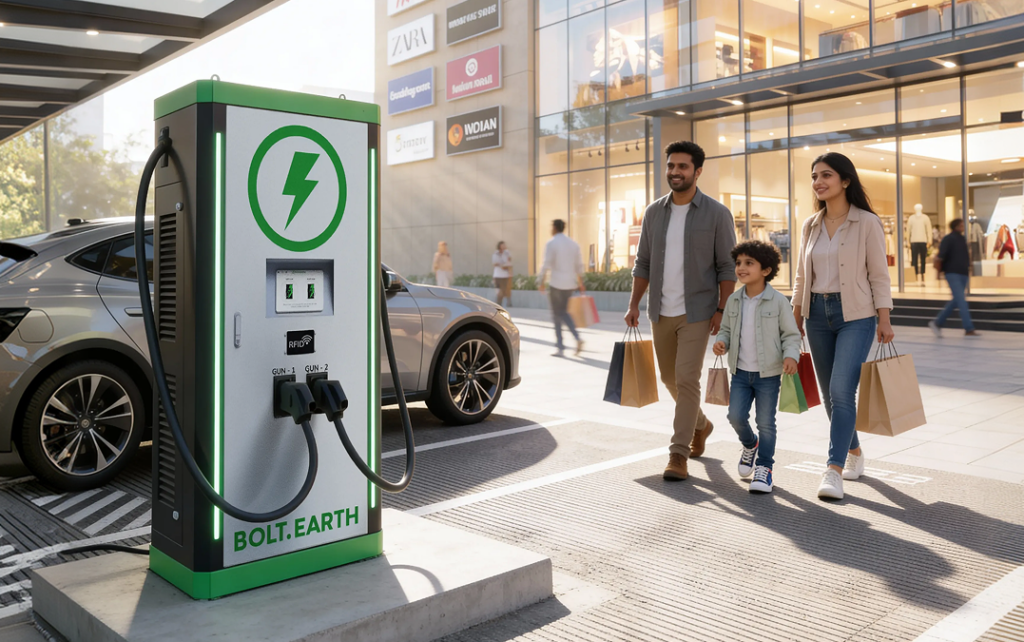
The policy aims to provide a public charging facility within 3 km of any location. Delhi has already made considerable progress with thousands of public charging stations and battery-swapping facilities operational across the city.
The policy prioritizes both public and residential charging infrastructure and supports the development of:
- Public charging stations
- Battery-swapping infrastructure
- Residential charging
- Workplace charging
- Charging infrastructure in commercial developments
The government continues to encourage private charging operators through land allocation, simplified approvals, and infrastructure support.
Delhi is promoting EV-ready buildings by requiring charging provisions in new developments and promoting affordable electricity tariffs for EV charging.
Private & Home Charging
The approved policy simplifies home charging by allowing residents to install private chargers without special government approvals. Residents can use their existing electricity connection or apply for a dedicated EV connection through their DISCOM, depending on charging needs and available electrical load.
Apartment owners and RWAs are encouraged to facilitate residential charging by providing access to parking spaces, electrical infrastructure, and safe cable routing wherever feasible. This supports the growing number of EV owners living in group housing societies.
To locate nearby charging stations, EV owners can continue using charging apps such as Bolt.Earth, which provide real-time charger availability, navigation, and digital payment options.
Mandates & Public Fleets Electrification
Delhi continues to use fleet electrification as one of the strongest drivers of EV adoption. Government departments, public transport agencies, and commercial operators are expected to lead the transition by replacing conventional vehicles with electric alternatives.
The city has already expanded its electric bus fleet significantly and continues to procure additional electric buses under national programs.
The policy also promotes:
- Electrification of government fleets
- Electric buses for public transport
- Electric autorickshaws
- EV adoption by ride-hailing and delivery platforms
Mandatory Electrification Targets for School Fleets
One of the most significant additions to the approved policy is the introduction of phased electrification targets for school transport fleets.
Schools operating their own vehicle fleets must progressively transition to electric vehicles according to the following timeline:
These mandatory targets encourage educational institutions to reduce transport-related emissions while improving air quality around schools. They also create long-term demand for electric buses and school transport vehicles.
Commercial Fleet Electrification
Electric autorickshaws will become the default choice for new registrations from January 1, 2027, while petrol-powered two-wheelers will no longer be registered from April 1, 2028.
Ride-hailing companies, delivery operators, and commercial fleet owners are expected to steadily increase EV adoption in line with the city’s broader clean mobility goals.
Additional Support for Commercial Freight Operators
Beyond incentives for N1 electric goods vehicles, the policy introduces an operational benefit for heavy-duty freight operators. The first 1,000 N2 electric trucks (3.5–12 tonnes) registered under the policy will receive a 10-year exemption from Delhi’s ‘No Entry’ timing restrictions.
This exemption allows freight operators greater operational flexibility, improves vehicle utilization, and strengthens the business case for adopting electric trucks in urban logistics.
Policy Impact: EV Registrations, Sales and Charging Growth
Delhi has emerged as one of India’s leading EV markets, with nearly 4.8 lakh registered electric vehicles, accounting for around 6% of the country’s total EV fleet. The city also records the highest public EV charging electricity consumption in India, reflecting strong charger utilization and growing consumer confidence.
With around 9,000 public charging points already operational, the approved Delhi EV Policy aims to further strengthen the ecosystem by expanding the network to over 30,000 public charging points by 2030.
Together with long-term incentives and fleet electrification mandates, these measures position Delhi as a benchmark for EV adoption and charging infrastructure in India.
Implementation and Governance
One of the biggest changes in the approved policy is the scale of financial commitment. The Delhi government has allocated a total outlay of ₹7,000 crore for implementing the policy through March 2030. More than ₹1,500 crore has been earmarked exclusively for scrappage incentives to accelerate the replacement of older, polluting vehicles with electric alternatives.
The larger financial allocation provides greater certainty for consumers, charging operators, OEMs, fleet owners, and investors, making Delhi’s EV ecosystem more attractive for long-term investment.
Challenges & Policy Adaptations
Like any large-scale transition, Delhi’s EV journey continues to face implementation challenges. Delays in subsidy disbursal, charging infrastructure deployment, and land availability remain key areas requiring continuous attention.
The approved policy addresses many of these challenges through a more structured implementation framework, dedicated funding, and stronger scrappage incentives. Instead of relying only on purchase subsidies, the policy now combines financial incentives with regulatory mandates, helping ensure more predictable EV adoption across multiple vehicle segments.
Final Thoughts
Compared to the earlier draft proposal, the approved Delhi EV Policy is broader in scope and significantly stronger in execution. The ₹7,000 crore financial commitment, enhanced scrappage program, school fleet electrification targets, and operational incentives for electric freight vehicles demonstrate Delhi’s intention to move beyond encouraging EV adoption to actively driving it.
Key Takeaways
- Buy Early: Purchase incentives for electric two-wheelers and three-wheelers are highest during the initial years of the policy and reduce over time.
- Continue to check vehicle eligibility before applying for incentives, as subsidy caps remain applicable to specific vehicle categories.
- The approved Delhi EV Policy does not provide tax or registration benefits for strong hybrid vehicles. All major financial incentives under the policy are focused exclusively on battery electric vehicles (BEVs).
- The policy will remain in force until March 31, 2030, providing long-term certainty for EV buyers and businesses.
- With a ₹7,000 crore investment and more than ₹1,500 crore allocated for scrappage incentives, Delhi has significantly expanded its financial commitment to accelerating EV adoption.
- School fleets and commercial freight operators are now part of the city’s long-term electrification roadmap, making the policy more comprehensive than earlier drafts.

Frequently Asked Questions
Who is eligible for incentives under the Delhi EV Policy 2026?
The policy offers incentives for eligible battery electric two-wheelers, three-wheelers, four-wheelers, and commercial vehicles that meet the specified price and vehicle category criteria. Buyers must also satisfy the eligibility conditions notified by the Delhi Government. The policy focuses exclusively on battery electric vehicles (BEVs), and strong hybrid vehicles are not eligible for purchase incentives or tax benefits.
Can I still register a petrol two-wheeler in Delhi?
Yes, but only until March 31, 2028. Under the Delhi EV Policy 2026, new registrations of petrol-powered two-wheelers will stop from April 1, 2028. Existing petrol two-wheelers can continue to be used as per the applicable vehicle and pollution norms.
How will the Delhi EV Policy benefit commercial fleet operators?
The policy offers purchase incentives for eligible commercial electric vehicles and introduces additional operational benefits. For example, the first 1,000 N2 electric trucks (3.5–12 tonnes) receive a 10-year exemption from Delhi’s ‘No Entry’ timing restrictions. The policy also mandates the gradual electrification of commercial fleets, including auto-rickshaws, government vehicles, and school transport, creating long-term opportunities for fleet operators.
Will the policy help improve EV charging infrastructure across Delhi?
Yes. The policy aims to significantly expand Delhi’s charging ecosystem by supporting the installation of over 30,000 public charging points by 2030. It also promotes residential charging, workplace charging, battery-swapping stations, and EV-ready buildings to make charging more accessible across the city.
How does the Delhi EV Policy contribute to cleaner air?
By encouraging the adoption of electric two-wheelers, cars, buses, commercial vehicles, and school transport, the policy aims to reduce tailpipe emissions, improve urban air quality, and support the city’s long-term climate and sustainability goals.

Aug 07, 2026 • State-wise EV Policies
Uttar Pradesh EV Policy: Incentives, Subsidies and Benefits Explained (2026 Guide)
Read More
May 08, 2026 • State-wise EV Policies
Karnataka EV Policy Explained: What It Means for EV Charging Infrastructure
Read More
Jan 07, 2026 • State-wise EV Policies
Maharashtra’s New Electric Vehicle Policy (2025–2030)
Read More